From Our Gallery
- tarakshuthejungleresort@gmail.com
- +91 9343495370
- +91 9174486006


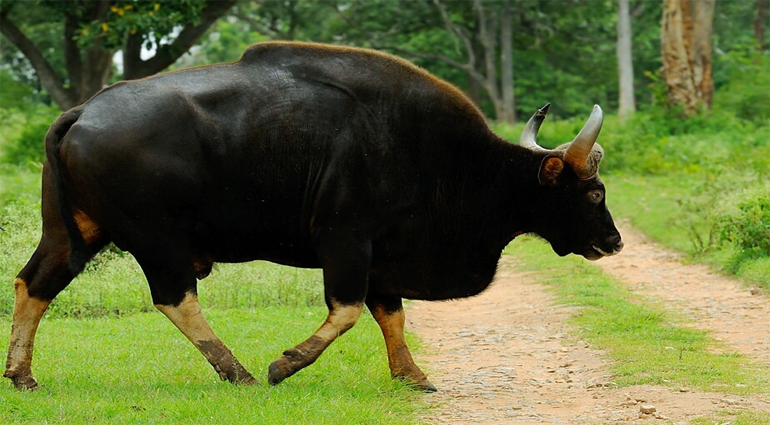
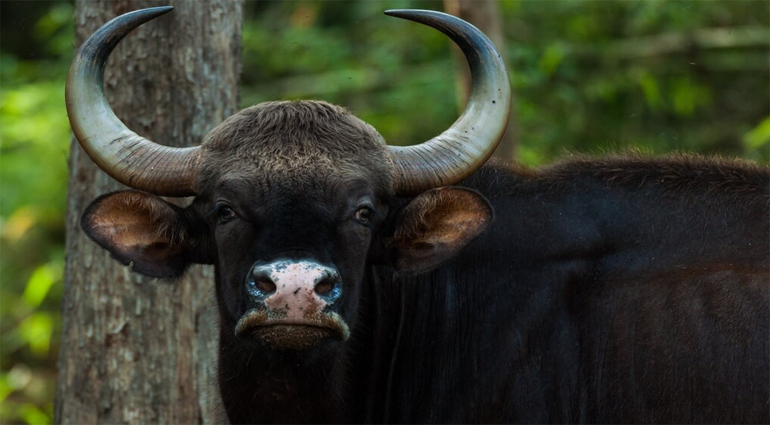
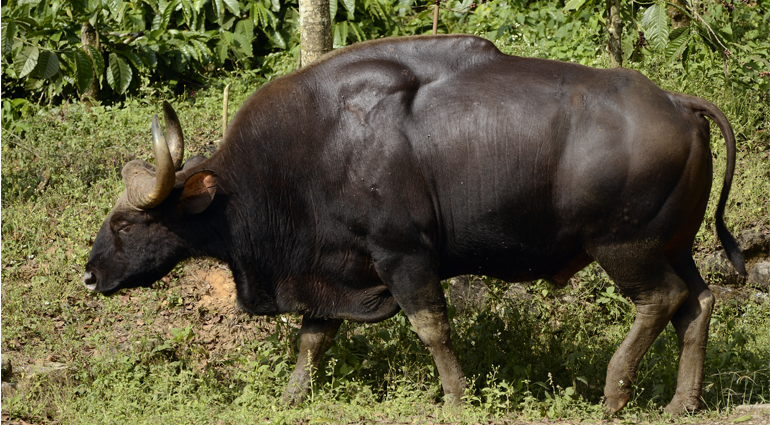
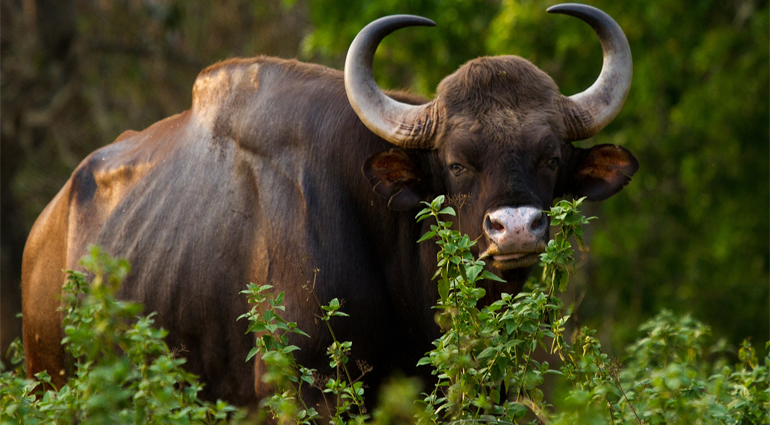
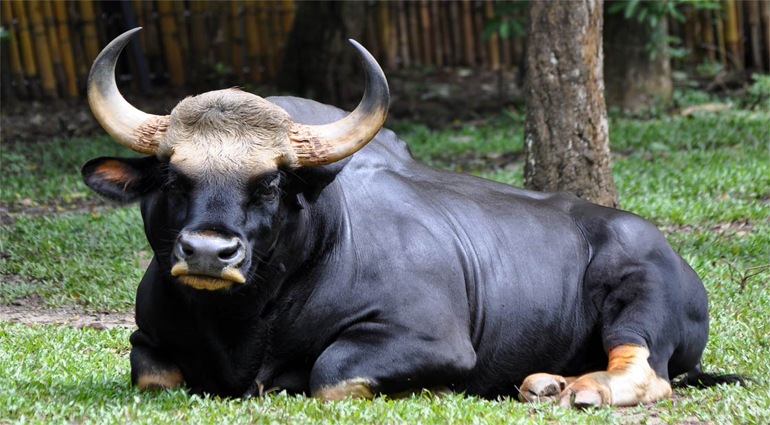
The Indian Bison, locally known as "Vanbhasa," is a prominent resident of Barnawapara Wildlife Sanctuary in Chhattisgarh. These massive herbivores, often referred to as Gaur, roam freely within the sanctuary. The presence of the Indian Bison in Barnawapara adds to the biodiversity and natural beauty of this protected area. Visitors to the sanctuary have the opportunity to witness these magnificent creatures as they graze and traverse the grasslands and forests of the region. The Indian Bison is a symbol of the sanctuary's commitment to conserving and preserving the rich wildlife of Chhattisgarh.
India is proud to be the sole home to The Indian Bison of Gaur which is the largest and the tallest in the family of wild cattle, even bigger than water buffalo and bison. Since 1986, the IUCN has listed the Indian Bison as vulnerable because of the declining population. Nowadays, this animal is kept well – protected in some of the famous national parks of India like Nagarhole, Bandipur, Kabini, Masinagudi and BR Hills. These national parks give tourists good sightings of the Indian Bison as the animal is more timid as compared to the Indian Elephant and avoids confrontations.INDIAN BISON FACTS Scientific NameBos gaurus SpeciesB. gaurusDietHerbivoreLifestyleHerdLifespanUp to 26 years in captivityPredatorsDue to huge size they have few enemies. However, leopards, dholes, crocodiles can attack an unguarded cattle and kill a full – grown adult alsoTop speed56 km/hStatusEndangered Physical Characteristics: The Indian Bison is massively built animal and is very strong. They have a convex shape in the forehead. The limbs are very strong and sturdy. The adult male weighs around 600 kg to 1500 kg. and the adult female weighs about 400 kg to 1000 kg. The Indian Bison is about 240 cm to 340 cm in length with the sole tail length of about 70 cm to 105 cm. Their height is about 170 cm to 230 cm. They have a prominent ridge running along their back. The back has very sparsely distributed hair. They have a typically short tail, shorter than an oxen also. Both the males and females possess horns. The horns are pale green or yellowish brown in color and are not pointed upward but possess a slightly inward curvature. The eyes are brown in color. The newly born bison is light golden yellow in color which later changes to light brown and then to reddish brown. The forehead is creamy white or yellowish in color.Habit: The Gaur is a social animal. They generally live in group size of about 30 to 40. They have an alarm call also which is a high pitched snort followed by a growling boo.Habitat and Diet: The Indian Bison is very much prevalent in the Western Ghats. They prefer evergreen forests and moist deciduous forests. However, they can survive in dry deciduous forests also. They are not found in the Himalayas with an altitude greater than 6,000 ft. They generally stick to the foothills only. They are attracted to grounds which are impregnated with salts and minerals.The Indian Bison is a grazing animal and love to munch on leaves, fruits, stems, flowers and seeds. They generally feed in the early morning and in the late evenings. The elephant apple, Indian Box wood, East Indian Screw tree, Golden shower tree, Cashew plant are some of the favorites of the gaur. Sometimes during shortage of food, they complete their nutrition and minerals by debarking trees. They dig up teak bark which is high in calcium and potassium.